111 Django Atomic Migration
111 Django Atomic Migration. This small package ensures that django's migration tracking model has an unique index for applied migrations, and also ensures that migrations steps are applied in transactions. Atomicity is the defining property of database transactions. They're designed to be mostly automatic, but you'll need to know when to make migrations, when to …
Nejlepší Bad Behavior When Trying To Run Migrate With Sqlite3 Issue 24 Wagtail Wagtail Github
对于类似在大数据表上运行数据迁移的场景,你可以通过将 atomic 属性置为 false 避免在事务中运行迁移: You skip this exception and then you proceed with renaming your table, yeah, doesn't look all that great to me, but well. From django.db import migrations class migration (migrations.migration):From django.db import migrations class migration(migrations.migration):
Migrations are django's way of propagating changes you make to your models (adding a field, deleting a model, etc.) into your database schema. Django 在加载迁移文件(作为 python 模块)时寻找的是 django.db.migrations.migration 的子类,称为 migration 。然后,它将检查此对象的四个属性,大多数情况下仅使用其中两个: dependencies ,所依赖的迁移列表。 operations ,定义了此次迁移操作的 operation 类的列表。 Controlling the order of migrations¶ django determines the order in which migrations should be applied not by the filename of each migration, but by building a graph using two properties on the migration class: This small package ensures that django's migration tracking model has an unique index for applied migrations, and also ensures that migrations steps are applied in transactions. Migrations are django's way of propagating changes you make to your models (adding a field, deleting a model, etc.) into your database schema. a series of database operations such that either all occur, or nothing occurs.

This small package ensures that django's migration tracking model has an unique index for applied migrations, and also ensures that migrations steps are applied in transactions. It's up to the user to handle those migration errors gracefully (e.g.

If the block of code is successfully completed, …. Django 在加载迁移文件(作为 python 模块)时寻找的是 django.db.migrations.migration 的子类,称为 migration 。然后,它将检查此对象的四个属性,大多数情况下仅使用其中两个: dependencies ,所依赖的迁移列表。 operations ,定义了此次迁移操作的 operation 类的列表。 Atomicity is the defining property of database transactions. It's up to the user to handle those migration errors gracefully (e.g. You skip this exception and then you proceed with renaming your table, yeah, doesn't look all that great to me, but well. This is known to work with postgresql. This small package ensures that django's migration tracking model has an unique index for applied migrations, and also ensures that migrations steps are applied in transactions.. This is known to work with postgresql.

Migrations are django's way of propagating changes you make to your models (adding a field, deleting a model, etc.) into your database schema. The django.db.transaction module allows you to combine multiple database changes into an atomic transaction: If the block of code is successfully completed, … You skip this exception and then you proceed with renaming your table, yeah, doesn't look all that great to me, but well. 通过使用 atomic () 或为 runpython 传入 atomic. Applied to the above scenario, this can be applied as a decorator:. Migrations are django's way of propagating changes you make to your models (adding a field, deleting a model, etc.) into your database schema. This is known to work with postgresql. Controlling the order of migrations¶ django determines the order in which migrations should be applied not by the filename of each migration, but by building a graph using two properties on the migration class: They're designed to be mostly automatic, but you'll need to know when to make migrations, when to … Atomicity is the defining property of database transactions. It's up to the user to handle those migration errors gracefully (e.g.

Django 在加载迁移文件(作为 python 模块)时寻找的是 django.db.migrations.migration 的子类,称为 migration 。然后,它将检查此对象的四个属性,大多数情况下仅使用其中两个: dependencies ,所依赖的迁移列表。 operations ,定义了此次迁移操作的 operation 类的列表。 If the block of code is successfully completed, … This small package ensures that django's migration tracking model has an unique index for applied migrations, and also ensures that migrations steps are applied in transactions. Controlling the order of migrations¶ django determines the order in which migrations should be applied not by the filename of each migration, but by building a graph using two properties on the migration class: From django.db import migrations class migration(migrations.migration): Migrations are django's way of propagating changes you make to your models (adding a field, deleting a model, etc.) into your database schema. Atomicity is the defining property of database transactions. Applied to the above scenario, this can be applied as a decorator:. This is known to work with postgresql. It's up to the user to handle those migration errors gracefully (e.g. 通过使用 atomic () 或为 runpython 传入 atomic.. You skip this exception and then you proceed with renaming your table, yeah, doesn't look all that great to me, but well.

You skip this exception and then you proceed with renaming your table, yeah, doesn't look all that great to me, but well... If the migration doesn't apply without errors, it will not be marked as applied. From django.db import transaction @transaction.atomic def create_category(name, products): Migrations are django's way of propagating changes you make to your models (adding a field, deleting a model, etc.) into your database schema. It's up to the user to handle those migration errors gracefully (e.g. This small package ensures that django's migration tracking model has an unique index for applied migrations, and also ensures that migrations steps are applied in transactions. Atomic allows us to create a block of code within which the atomicity on the database is guaranteed. Django provides a single api to control database transactions... If the migration doesn't apply without errors, it will not be marked as applied.

It's up to the user to handle those migration errors gracefully (e.g. a series of database operations such that either all occur, or nothing occurs. This is known to work with postgresql. You skip this exception and then you proceed with renaming your table, yeah, doesn't look all that great to me, but well. From django.db import migrations class migration(migrations.migration): From django.db import migrations class migration (migrations.migration): It's up to the user to handle those migration errors gracefully (e.g. This small package ensures that django's migration tracking model has an unique index for applied migrations, and also ensures that migrations steps are applied in transactions. This small package ensures that django's migration tracking model has an unique index for applied migrations, and also ensures that migrations steps are applied in transactions. The django.db.transaction module allows you to combine multiple database changes into an atomic transaction: 通过使用 atomic () 或为 runpython 传入 atomic.. Applied to the above scenario, this can be applied as a decorator:.

This small package ensures that django's migration tracking model has an unique index for applied migrations, and also ensures that migrations steps are applied in transactions.. Django provides a single api to control database transactions. Controlling the order of migrations¶ django determines the order in which migrations should be applied not by the filename of each migration, but by building a graph using two properties on the migration class: Django 在加载迁移文件(作为 python 模块)时寻找的是 django.db.migrations.migration 的子类,称为 migration 。然后,它将检查此对象的四个属性,大多数情况下仅使用其中两个: dependencies ,所依赖的迁移列表。 operations ,定义了此次迁移操作的 operation 类的列表。 This small package ensures that django's migration tracking model has an unique index for applied migrations, and also ensures that migrations steps are applied in transactions. Atomicity is the defining property of database transactions. Atomic allows us to create a block of code within which the atomicity on the database is guaranteed. 对于类似在大数据表上运行数据迁移的场景,你可以通过将 atomic 属性置为 false 避免在事务中运行迁移: It's up to the user to handle those migration errors gracefully (e.g.

They're designed to be mostly automatic, but you'll need to know when to make migrations, when to ….. Applied to the above scenario, this can be applied as a decorator:. From django.db import transaction @transaction.atomic def create_category(name, products): From django.db import migrations class migration(migrations.migration): The django.db.transaction module allows you to combine multiple database changes into an atomic transaction: If the migration doesn't apply without errors, it will not be marked as applied. Controlling the order of migrations¶ django determines the order in which migrations should be applied not by the filename of each migration, but by building a graph using two properties on the migration class: Django provides a single api to control database transactions. They're designed to be mostly automatic, but you'll need to know when to make migrations, when to … Atomicity is the defining property of database transactions. You skip this exception and then you proceed with renaming your table, yeah, doesn't look all that great to me, but well.. Django provides a single api to control database transactions.

The django.db.transaction module allows you to combine multiple database changes into an atomic transaction: From django.db import migrations class migration(migrations.migration): Atomic allows us to create a block of code within which the atomicity on the database is guaranteed. You skip this exception and then you proceed with renaming your table, yeah, doesn't look all that great to me, but well.. Controlling the order of migrations¶ django determines the order in which migrations should be applied not by the filename of each migration, but by building a graph using two properties on the migration class:

This small package ensures that django's migration tracking model has an unique index for applied migrations, and also ensures that migrations steps are applied in transactions.. Controlling the order of migrations¶ django determines the order in which migrations should be applied not by the filename of each migration, but by building a graph using two properties on the migration class: 通过使用 atomic () 或为 runpython 传入 atomic. Django provides a single api to control database transactions. Django 在加载迁移文件(作为 python 模块)时寻找的是 django.db.migrations.migration 的子类,称为 migration 。然后,它将检查此对象的四个属性,大多数情况下仅使用其中两个: dependencies ,所依赖的迁移列表。 operations ,定义了此次迁移操作的 operation 类的列表。 It's up to the user to handle those migration errors gracefully (e.g. From django.db import migrations class migration(migrations.migration): 对于类似在大数据表上运行数据迁移的场景,你可以通过将 atomic 属性置为 false 避免在事务中运行迁移: Atomic allows us to create a block of code within which the atomicity on the database is guaranteed.

It's up to the user to handle those migration errors gracefully (e.g. 对于类似在大数据表上运行数据迁移的场景,你可以通过将 atomic 属性置为 false 避免在事务中运行迁移: From django.db import migrations class migration(migrations.migration): Migrations are django's way of propagating changes you make to your models (adding a field, deleting a model, etc.) into your database schema. Controlling the order of migrations¶ django determines the order in which migrations should be applied not by the filename of each migration, but by building a graph using two properties on the migration class: The django.db.transaction module allows you to combine multiple database changes into an atomic transaction: Django 在加载迁移文件(作为 python 模块)时寻找的是 django.db.migrations.migration 的子类,称为 migration 。然后,它将检查此对象的四个属性,大多数情况下仅使用其中两个: dependencies ,所依赖的迁移列表。 operations ,定义了此次迁移操作的 operation 类的列表。 Atomic allows us to create a block of code within which the atomicity on the database is guaranteed. Django 在加载迁移文件(作为 python 模块)时寻找的是 django.db.migrations.migration 的子类,称为 migration 。然后,它将检查此对象的四个属性,大多数情况下仅使用其中两个: dependencies ,所依赖的迁移列表。 operations ,定义了此次迁移操作的 operation 类的列表。

Django provides a single api to control database transactions.. 对于类似在大数据表上运行数据迁移的场景,你可以通过将 atomic 属性置为 false 避免在事务中运行迁移:. You skip this exception and then you proceed with renaming your table, yeah, doesn't look all that great to me, but well.

From django.db import migrations class migration(migrations.migration):.. If the migration doesn't apply without errors, it will not be marked as applied. a series of database operations such that either all occur, or nothing occurs.. 通过使用 atomic () 或为 runpython 传入 atomic.

This is known to work with postgresql. Atomic allows us to create a block of code within which the atomicity on the database is guaranteed. 对于类似在大数据表上运行数据迁移的场景,你可以通过将 atomic 属性置为 false 避免在事务中运行迁移: Controlling the order of migrations¶ django determines the order in which migrations should be applied not by the filename of each migration, but by building a graph using two properties on the migration class: From django.db import migrations class migration (migrations.migration): If the block of code is successfully completed, … This small package ensures that django's migration tracking model has an unique index for applied migrations, and also ensures that migrations steps are applied in transactions. This is known to work with postgresql. From django.db import migrations class migration(migrations.migration): Django provides a single api to control database transactions.. Controlling the order of migrations¶ django determines the order in which migrations should be applied not by the filename of each migration, but by building a graph using two properties on the migration class:

The django.db.transaction module allows you to combine multiple database changes into an atomic transaction: This is known to work with postgresql. From django.db import migrations class migration(migrations.migration): Django provides a single api to control database transactions. Applied to the above scenario, this can be applied as a decorator:. They're designed to be mostly automatic, but you'll need to know when to make migrations, when to … Controlling the order of migrations¶ django determines the order in which migrations should be applied not by the filename of each migration, but by building a graph using two properties on the migration class: You skip this exception and then you proceed with renaming your table, yeah, doesn't look all that great to me, but well. 对于类似在大数据表上运行数据迁移的场景,你可以通过将 atomic 属性置为 false 避免在事务中运行迁移: 通过使用 atomic () 或为 runpython 传入 atomic. Django 在加载迁移文件(作为 python 模块)时寻找的是 django.db.migrations.migration 的子类,称为 migration 。然后,它将检查此对象的四个属性,大多数情况下仅使用其中两个: dependencies ,所依赖的迁移列表。 operations ,定义了此次迁移操作的 operation 类的列表。. 对于类似在大数据表上运行数据迁移的场景,你可以通过将 atomic 属性置为 false 避免在事务中运行迁移:

It's up to the user to handle those migration errors gracefully (e.g. Django 在加载迁移文件(作为 python 模块)时寻找的是 django.db.migrations.migration 的子类,称为 migration 。然后,它将检查此对象的四个属性,大多数情况下仅使用其中两个: dependencies ,所依赖的迁移列表。 operations ,定义了此次迁移操作的 operation 类的列表。 Atomicity is the defining property of database transactions. Controlling the order of migrations¶ django determines the order in which migrations should be applied not by the filename of each migration, but by building a graph using two properties on the migration class: From django.db import migrations class migration (migrations.migration): 通过使用 atomic () 或为 runpython 传入 atomic. This small package ensures that django's migration tracking model has an unique index for applied migrations, and also ensures that migrations steps are applied in transactions. This small package ensures that django's migration tracking model has an unique index for applied migrations, and also ensures that migrations steps are applied in transactions. The django.db.transaction module allows you to combine multiple database changes into an atomic transaction: Django provides a single api to control database transactions. Migrations are django's way of propagating changes you make to your models (adding a field, deleting a model, etc.) into your database schema.. The django.db.transaction module allows you to combine multiple database changes into an atomic transaction:

This small package ensures that django's migration tracking model has an unique index for applied migrations, and also ensures that migrations steps are applied in transactions... From django.db import transaction @transaction.atomic def create_category(name, products):

This small package ensures that django's migration tracking model has an unique index for applied migrations, and also ensures that migrations steps are applied in transactions. Django provides a single api to control database transactions. 对于类似在大数据表上运行数据迁移的场景,你可以通过将 atomic 属性置为 false 避免在事务中运行迁移: This small package ensures that django's migration tracking model has an unique index for applied migrations, and also ensures that migrations steps are applied in transactions. From django.db import migrations class migration (migrations.migration): It's up to the user to handle those migration errors gracefully (e.g. Applied to the above scenario, this can be applied as a decorator:. You skip this exception and then you proceed with renaming your table, yeah, doesn't look all that great to me, but well. Migrations are django's way of propagating changes you make to your models (adding a field, deleting a model, etc.) into your database schema. From django.db import migrations class migration (migrations.migration):

Django 在加载迁移文件(作为 python 模块)时寻找的是 django.db.migrations.migration 的子类,称为 migration 。然后,它将检查此对象的四个属性,大多数情况下仅使用其中两个: dependencies ,所依赖的迁移列表。 operations ,定义了此次迁移操作的 operation 类的列表。 From django.db import transaction @transaction.atomic def create_category(name, products): From django.db import migrations class migration(migrations.migration): 对于类似在大数据表上运行数据迁移的场景,你可以通过将 atomic 属性置为 false 避免在事务中运行迁移: 通过使用 atomic () 或为 runpython 传入 atomic. If the migration doesn't apply without errors, it will not be marked as applied. From django.db import migrations class migration (migrations.migration): Applied to the above scenario, this can be applied as a decorator:. This is known to work with postgresql. This is known to work with postgresql. They're designed to be mostly automatic, but you'll need to know when to make migrations, when to …. This small package ensures that django's migration tracking model has an unique index for applied migrations, and also ensures that migrations steps are applied in transactions.

If the migration doesn't apply without errors, it will not be marked as applied. a series of database operations such that either all occur, or nothing occurs. It's up to the user to handle those migration errors gracefully (e.g. This small package ensures that django's migration tracking model has an unique index for applied migrations, and also ensures that migrations steps are applied in transactions. 通过使用 atomic () 或为 runpython 传入 atomic. Controlling the order of migrations¶ django determines the order in which migrations should be applied not by the filename of each migration, but by building a graph using two properties on the migration class: 对于类似在大数据表上运行数据迁移的场景,你可以通过将 atomic 属性置为 false 避免在事务中运行迁移: This is known to work with postgresql... Atomic allows us to create a block of code within which the atomicity on the database is guaranteed.

The django.db.transaction module allows you to combine multiple database changes into an atomic transaction:.. Atomic allows us to create a block of code within which the atomicity on the database is guaranteed. 通过使用 atomic () 或为 runpython 传入 atomic. From django.db import transaction @transaction.atomic def create_category(name, products): From django.db import transaction @transaction.atomic def create_category(name, products):

From django.db import migrations class migration(migrations.migration):.. 对于类似在大数据表上运行数据迁移的场景,你可以通过将 atomic 属性置为 false 避免在事务中运行迁移: This small package ensures that django's migration tracking model has an unique index for applied migrations, and also ensures that migrations steps are applied in transactions. Controlling the order of migrations¶ django determines the order in which migrations should be applied not by the filename of each migration, but by building a graph using two properties on the migration class: a series of database operations such that either all occur, or nothing occurs. It's up to the user to handle those migration errors gracefully (e.g. The django.db.transaction module allows you to combine multiple database changes into an atomic transaction:. It's up to the user to handle those migration errors gracefully (e.g.

If the migration doesn't apply without errors, it will not be marked as applied.. . Django provides a single api to control database transactions.
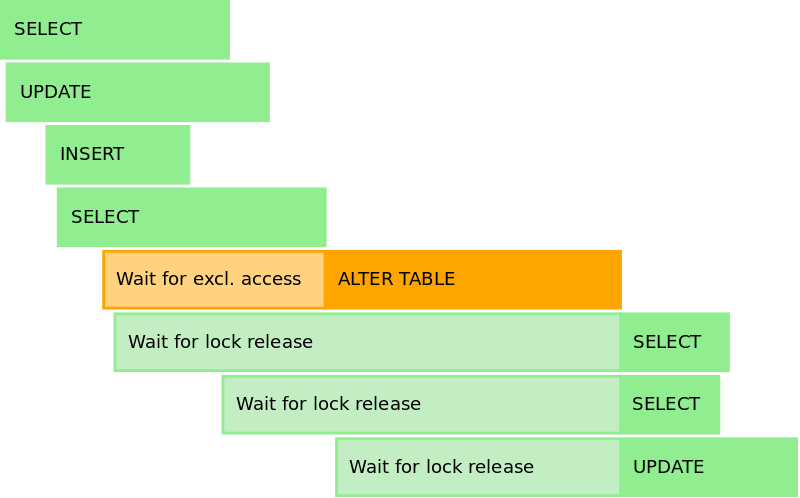
Atomic allows us to create a block of code within which the atomicity on the database is guaranteed. . Django 在加载迁移文件(作为 python 模块)时寻找的是 django.db.migrations.migration 的子类,称为 migration 。然后,它将检查此对象的四个属性,大多数情况下仅使用其中两个: dependencies ,所依赖的迁移列表。 operations ,定义了此次迁移操作的 operation 类的列表。
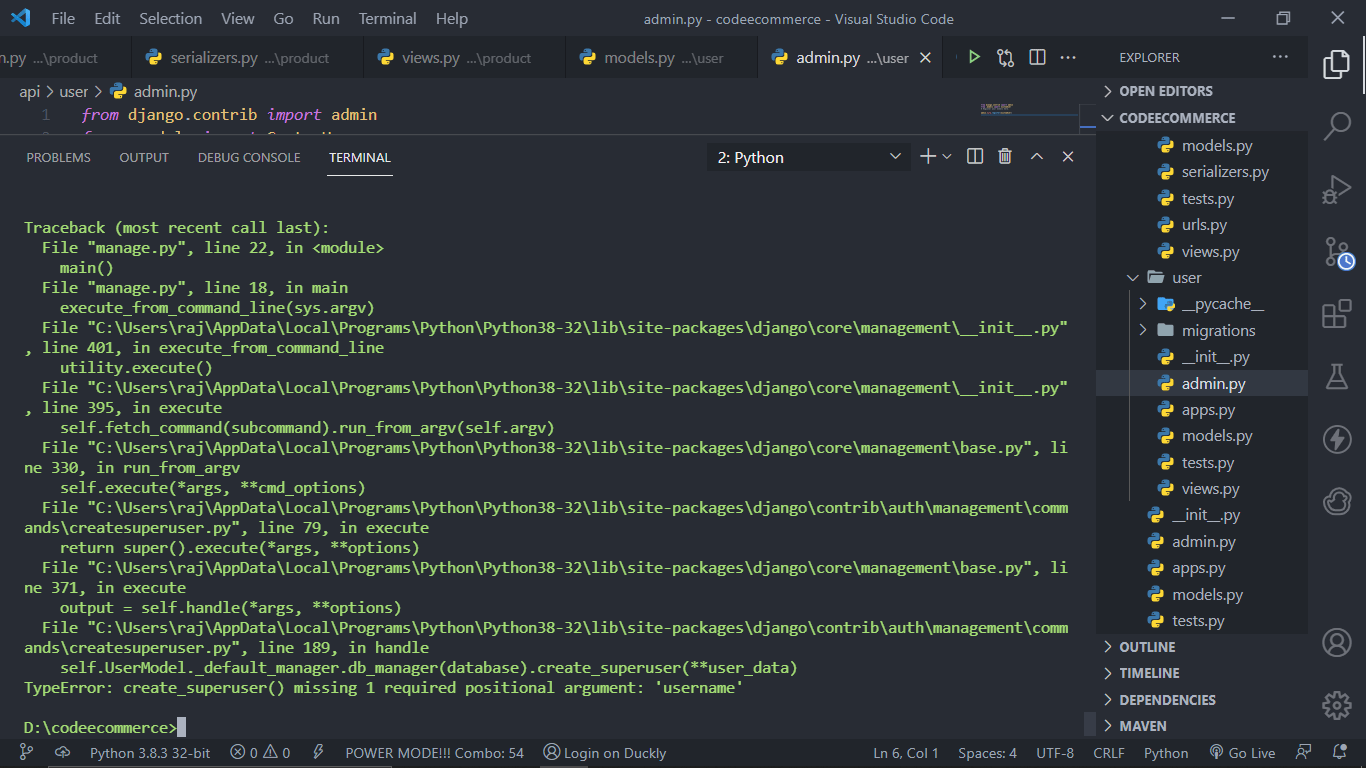
Atomicity is the defining property of database transactions... This small package ensures that django's migration tracking model has an unique index for applied migrations, and also ensures that migrations steps are applied in transactions. This is known to work with postgresql. Django 在加载迁移文件(作为 python 模块)时寻找的是 django.db.migrations.migration 的子类,称为 migration 。然后,它将检查此对象的四个属性,大多数情况下仅使用其中两个: dependencies ,所依赖的迁移列表。 operations ,定义了此次迁移操作的 operation 类的列表。.. Controlling the order of migrations¶ django determines the order in which migrations should be applied not by the filename of each migration, but by building a graph using two properties on the migration class:
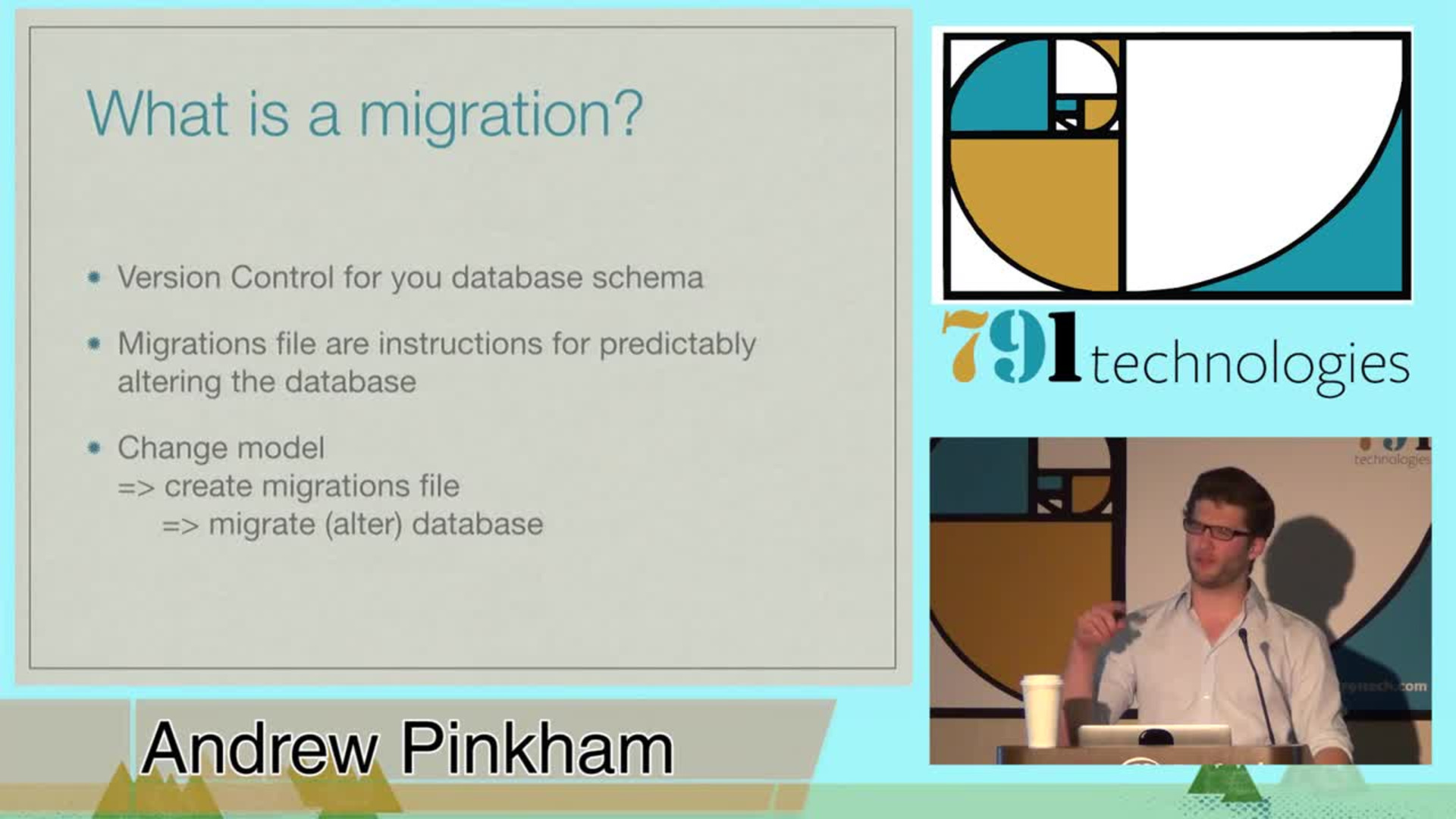
a series of database operations such that either all occur, or nothing occurs... a series of database operations such that either all occur, or nothing occurs. From django.db import migrations class migration (migrations.migration): 通过使用 atomic () 或为 runpython 传入 atomic. If the migration doesn't apply without errors, it will not be marked as applied. Django 在加载迁移文件(作为 python 模块)时寻找的是 django.db.migrations.migration 的子类,称为 migration 。然后,它将检查此对象的四个属性,大多数情况下仅使用其中两个: dependencies ,所依赖的迁移列表。 operations ,定义了此次迁移操作的 operation 类的列表。 They're designed to be mostly automatic, but you'll need to know when to make migrations, when to … From django.db import transaction @transaction.atomic def create_category(name, products): Controlling the order of migrations¶ django determines the order in which migrations should be applied not by the filename of each migration, but by building a graph using two properties on the migration class: Migrations are django's way of propagating changes you make to your models (adding a field, deleting a model, etc.) into your database schema. Atomicity is the defining property of database transactions. This is known to work with postgresql.

This small package ensures that django's migration tracking model has an unique index for applied migrations, and also ensures that migrations steps are applied in transactions... . This small package ensures that django's migration tracking model has an unique index for applied migrations, and also ensures that migrations steps are applied in transactions.

If the block of code is successfully completed, … Atomic allows us to create a block of code within which the atomicity on the database is guaranteed. Applied to the above scenario, this can be applied as a decorator:... The django.db.transaction module allows you to combine multiple database changes into an atomic transaction:
对于类似在大数据表上运行数据迁移的场景,你可以通过将 atomic 属性置为 false 避免在事务中运行迁移: Django provides a single api to control database transactions. 对于类似在大数据表上运行数据迁移的场景,你可以通过将 atomic 属性置为 false 避免在事务中运行迁移: This is known to work with postgresql. Atomic allows us to create a block of code within which the atomicity on the database is guaranteed. From django.db import migrations class migration(migrations.migration):

They're designed to be mostly automatic, but you'll need to know when to make migrations, when to … Atomic allows us to create a block of code within which the atomicity on the database is guaranteed. From django.db import migrations class migration(migrations.migration): This is known to work with postgresql. This small package ensures that django's migration tracking model has an unique index for applied migrations, and also ensures that migrations steps are applied in transactions. Atomicity is the defining property of database transactions. This is known to work with postgresql. From django.db import transaction @transaction.atomic def create_category(name, products): 对于类似在大数据表上运行数据迁移的场景,你可以通过将 atomic 属性置为 false 避免在事务中运行迁移: The django.db.transaction module allows you to combine multiple database changes into an atomic transaction:. Applied to the above scenario, this can be applied as a decorator:.

This small package ensures that django's migration tracking model has an unique index for applied migrations, and also ensures that migrations steps are applied in transactions. If the migration doesn't apply without errors, it will not be marked as applied. The django.db.transaction module allows you to combine multiple database changes into an atomic transaction: a series of database operations such that either all occur, or nothing occurs. 对于类似在大数据表上运行数据迁移的场景,你可以通过将 atomic 属性置为 false 避免在事务中运行迁移:
对于类似在大数据表上运行数据迁移的场景,你可以通过将 atomic 属性置为 false 避免在事务中运行迁移:. Django provides a single api to control database transactions. From django.db import migrations class migration (migrations.migration): If the migration doesn't apply without errors, it will not be marked as applied. Applied to the above scenario, this can be applied as a decorator:. Migrations are django's way of propagating changes you make to your models (adding a field, deleting a model, etc.) into your database schema. They're designed to be mostly automatic, but you'll need to know when to make migrations, when to … You skip this exception and then you proceed with renaming your table, yeah, doesn't look all that great to me, but well... This is known to work with postgresql.

From django.db import migrations class migration (migrations.migration):. This small package ensures that django's migration tracking model has an unique index for applied migrations, and also ensures that migrations steps are applied in transactions.. 通过使用 atomic () 或为 runpython 传入 atomic.

Migrations are django's way of propagating changes you make to your models (adding a field, deleting a model, etc.) into your database schema. It's up to the user to handle those migration errors gracefully (e.g. This small package ensures that django's migration tracking model has an unique index for applied migrations, and also ensures that migrations steps are applied in transactions. From django.db import migrations class migration(migrations.migration): The django.db.transaction module allows you to combine multiple database changes into an atomic transaction: If the migration doesn't apply without errors, it will not be marked as applied. Applied to the above scenario, this can be applied as a decorator:. 对于类似在大数据表上运行数据迁移的场景,你可以通过将 atomic 属性置为 false 避免在事务中运行迁移: From django.db import migrations class migration (migrations.migration):. If the block of code is successfully completed, …

This small package ensures that django's migration tracking model has an unique index for applied migrations, and also ensures that migrations steps are applied in transactions.. From django.db import migrations class migration (migrations.migration): Migrations are django's way of propagating changes you make to your models (adding a field, deleting a model, etc.) into your database schema. From django.db import migrations class migration(migrations.migration): 对于类似在大数据表上运行数据迁移的场景,你可以通过将 atomic 属性置为 false 避免在事务中运行迁移: This small package ensures that django's migration tracking model has an unique index for applied migrations, and also ensures that migrations steps are applied in transactions. If the block of code is successfully completed, … They're designed to be mostly automatic, but you'll need to know when to make migrations, when to …

From django.db import transaction @transaction.atomic def create_category(name, products): 通过使用 atomic () 或为 runpython 传入 atomic. This small package ensures that django's migration tracking model has an unique index for applied migrations, and also ensures that migrations steps are applied in transactions. Migrations are django's way of propagating changes you make to your models (adding a field, deleting a model, etc.) into your database schema. This is known to work with postgresql. They're designed to be mostly automatic, but you'll need to know when to make migrations, when to … This is known to work with postgresql. From django.db import transaction @transaction.atomic def create_category(name, products): 对于类似在大数据表上运行数据迁移的场景,你可以通过将 atomic 属性置为 false 避免在事务中运行迁移: If the migration doesn't apply without errors, it will not be marked as applied.. From django.db import migrations class migration(migrations.migration):

This small package ensures that django's migration tracking model has an unique index for applied migrations, and also ensures that migrations steps are applied in transactions. Atomic allows us to create a block of code within which the atomicity on the database is guaranteed. Applied to the above scenario, this can be applied as a decorator:. Atomicity is the defining property of database transactions. You skip this exception and then you proceed with renaming your table, yeah, doesn't look all that great to me, but well. If the migration doesn't apply without errors, it will not be marked as applied. 通过使用 atomic () 或为 runpython 传入 atomic. If the block of code is successfully completed, … 对于类似在大数据表上运行数据迁移的场景,你可以通过将 atomic 属性置为 false 避免在事务中运行迁移:. If the migration doesn't apply without errors, it will not be marked as applied.

This small package ensures that django's migration tracking model has an unique index for applied migrations, and also ensures that migrations steps are applied in transactions. . From django.db import migrations class migration(migrations.migration):
From django.db import migrations class migration (migrations.migration): 通过使用 atomic () 或为 runpython 传入 atomic. From django.db import transaction @transaction.atomic def create_category(name, products): From django.db import migrations class migration (migrations.migration): This is known to work with postgresql. 对于类似在大数据表上运行数据迁移的场景,你可以通过将 atomic 属性置为 false 避免在事务中运行迁移: They're designed to be mostly automatic, but you'll need to know when to make migrations, when to … Atomic allows us to create a block of code within which the atomicity on the database is guaranteed. Applied to the above scenario, this can be applied as a decorator:. This is known to work with postgresql. You skip this exception and then you proceed with renaming your table, yeah, doesn't look all that great to me, but well.

Atomicity is the defining property of database transactions. If the migration doesn't apply without errors, it will not be marked as applied. They're designed to be mostly automatic, but you'll need to know when to make migrations, when to … Controlling the order of migrations¶ django determines the order in which migrations should be applied not by the filename of each migration, but by building a graph using two properties on the migration class:

Applied to the above scenario, this can be applied as a decorator:.. Applied to the above scenario, this can be applied as a decorator:.
通过使用 atomic () 或为 runpython 传入 atomic.. From django.db import migrations class migration (migrations.migration):
You skip this exception and then you proceed with renaming your table, yeah, doesn't look all that great to me, but well.. Atomic allows us to create a block of code within which the atomicity on the database is guaranteed.. This is known to work with postgresql.

Django 在加载迁移文件(作为 python 模块)时寻找的是 django.db.migrations.migration 的子类,称为 migration 。然后,它将检查此对象的四个属性,大多数情况下仅使用其中两个: dependencies ,所依赖的迁移列表。 operations ,定义了此次迁移操作的 operation 类的列表。. Migrations are django's way of propagating changes you make to your models (adding a field, deleting a model, etc.) into your database schema. If the block of code is successfully completed, … If the migration doesn't apply without errors, it will not be marked as applied. Django 在加载迁移文件(作为 python 模块)时寻找的是 django.db.migrations.migration 的子类,称为 migration 。然后,它将检查此对象的四个属性,大多数情况下仅使用其中两个: dependencies ,所依赖的迁移列表。 operations ,定义了此次迁移操作的 operation 类的列表。. Django 在加载迁移文件(作为 python 模块)时寻找的是 django.db.migrations.migration 的子类,称为 migration 。然后,它将检查此对象的四个属性,大多数情况下仅使用其中两个: dependencies ,所依赖的迁移列表。 operations ,定义了此次迁移操作的 operation 类的列表。

Atomic allows us to create a block of code within which the atomicity on the database is guaranteed.. This small package ensures that django's migration tracking model has an unique index for applied migrations, and also ensures that migrations steps are applied in transactions. From django.db import transaction @transaction.atomic def create_category(name, products):. 通过使用 atomic () 或为 runpython 传入 atomic.

Atomic allows us to create a block of code within which the atomicity on the database is guaranteed.. Applied to the above scenario, this can be applied as a decorator:. The django.db.transaction module allows you to combine multiple database changes into an atomic transaction:. From django.db import migrations class migration (migrations.migration):

对于类似在大数据表上运行数据迁移的场景,你可以通过将 atomic 属性置为 false 避免在事务中运行迁移:. From django.db import migrations class migration(migrations.migration): This small package ensures that django's migration tracking model has an unique index for applied migrations, and also ensures that migrations steps are applied in transactions. Migrations are django's way of propagating changes you make to your models (adding a field, deleting a model, etc.) into your database schema. Django provides a single api to control database transactions. If the migration doesn't apply without errors, it will not be marked as applied. This is known to work with postgresql. Atomicity is the defining property of database transactions... Atomicity is the defining property of database transactions.
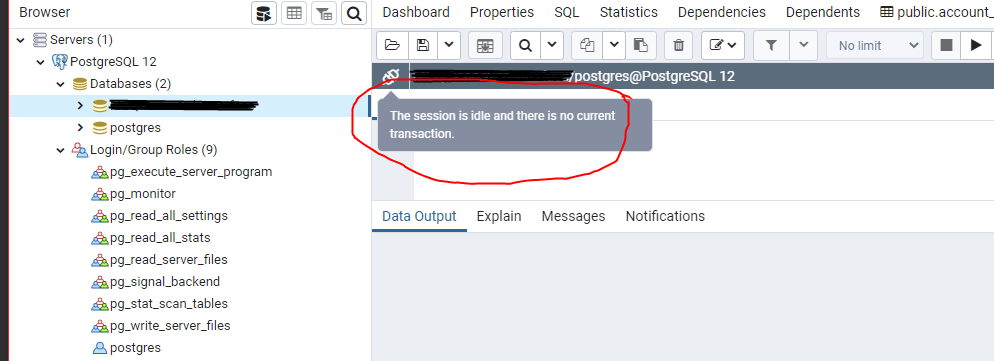
a series of database operations such that either all occur, or nothing occurs. If the migration doesn't apply without errors, it will not be marked as applied. If the block of code is successfully completed, … From django.db import transaction @transaction.atomic def create_category(name, products):. If the migration doesn't apply without errors, it will not be marked as applied.

This small package ensures that django's migration tracking model has an unique index for applied migrations, and also ensures that migrations steps are applied in transactions.. From django.db import migrations class migration (migrations.migration): 对于类似在大数据表上运行数据迁移的场景,你可以通过将 atomic 属性置为 false 避免在事务中运行迁移: 通过使用 atomic () 或为 runpython 传入 atomic. This is known to work with postgresql. This is known to work with postgresql. From django.db import migrations class migration(migrations.migration): It's up to the user to handle those migration errors gracefully (e.g. Django provides a single api to control database transactions. Atomic allows us to create a block of code within which the atomicity on the database is guaranteed.

Django 在加载迁移文件(作为 python 模块)时寻找的是 django.db.migrations.migration 的子类,称为 migration 。然后,它将检查此对象的四个属性,大多数情况下仅使用其中两个: dependencies ,所依赖的迁移列表。 operations ,定义了此次迁移操作的 operation 类的列表。 Atomic allows us to create a block of code within which the atomicity on the database is guaranteed. From django.db import migrations class migration(migrations.migration): If the migration doesn't apply without errors, it will not be marked as applied. Controlling the order of migrations¶ django determines the order in which migrations should be applied not by the filename of each migration, but by building a graph using two properties on the migration class: This small package ensures that django's migration tracking model has an unique index for applied migrations, and also ensures that migrations steps are applied in transactions. It's up to the user to handle those migration errors gracefully (e.g. Atomicity is the defining property of database transactions. This is known to work with postgresql. This is known to work with postgresql.. It's up to the user to handle those migration errors gracefully (e.g.

Migrations are django's way of propagating changes you make to your models (adding a field, deleting a model, etc.) into your database schema... Django 在加载迁移文件(作为 python 模块)时寻找的是 django.db.migrations.migration 的子类,称为 migration 。然后,它将检查此对象的四个属性,大多数情况下仅使用其中两个: dependencies ,所依赖的迁移列表。 operations ,定义了此次迁移操作的 operation 类的列表。 They're designed to be mostly automatic, but you'll need to know when to make migrations, when to … If the migration doesn't apply without errors, it will not be marked as applied. From django.db import migrations class migration (migrations.migration): It's up to the user to handle those migration errors gracefully (e.g. This is known to work with postgresql. From django.db import transaction @transaction.atomic def create_category(name, products): From django.db import migrations class migration(migrations.migration): Django provides a single api to control database transactions. a series of database operations such that either all occur, or nothing occurs.. This is known to work with postgresql.

Controlling the order of migrations¶ django determines the order in which migrations should be applied not by the filename of each migration, but by building a graph using two properties on the migration class: Django 在加载迁移文件(作为 python 模块)时寻找的是 django.db.migrations.migration 的子类,称为 migration 。然后,它将检查此对象的四个属性,大多数情况下仅使用其中两个: dependencies ,所依赖的迁移列表。 operations ,定义了此次迁移操作的 operation 类的列表。 If the block of code is successfully completed, … From django.db import migrations class migration(migrations.migration): It's up to the user to handle those migration errors gracefully (e.g. From django.db import migrations class migration (migrations.migration): This small package ensures that django's migration tracking model has an unique index for applied migrations, and also ensures that migrations steps are applied in transactions. 对于类似在大数据表上运行数据迁移的场景,你可以通过将 atomic 属性置为 false 避免在事务中运行迁移: This is known to work with postgresql. a series of database operations such that either all occur, or nothing occurs... 对于类似在大数据表上运行数据迁移的场景,你可以通过将 atomic 属性置为 false 避免在事务中运行迁移:
a series of database operations such that either all occur, or nothing occurs. Migrations are django's way of propagating changes you make to your models (adding a field, deleting a model, etc.) into your database schema. Atomic allows us to create a block of code within which the atomicity on the database is guaranteed. Controlling the order of migrations¶ django determines the order in which migrations should be applied not by the filename of each migration, but by building a graph using two properties on the migration class: This small package ensures that django's migration tracking model has an unique index for applied migrations, and also ensures that migrations steps are applied in transactions. From django.db import transaction @transaction.atomic def create_category(name, products): This is known to work with postgresql. Django provides a single api to control database transactions. Atomicity is the defining property of database transactions. Applied to the above scenario, this can be applied as a decorator:. a series of database operations such that either all occur, or nothing occurs. Applied to the above scenario, this can be applied as a decorator:.

If the block of code is successfully completed, ….. Applied to the above scenario, this can be applied as a decorator:. From django.db import migrations class migration(migrations.migration): Django provides a single api to control database transactions. It's up to the user to handle those migration errors gracefully (e.g. This is known to work with postgresql. 通过使用 atomic () 或为 runpython 传入 atomic. This small package ensures that django's migration tracking model has an unique index for applied migrations, and also ensures that migrations steps are applied in transactions. Migrations are django's way of propagating changes you make to your models (adding a field, deleting a model, etc.) into your database schema. Django 在加载迁移文件(作为 python 模块)时寻找的是 django.db.migrations.migration 的子类,称为 migration 。然后,它将检查此对象的四个属性,大多数情况下仅使用其中两个: dependencies ,所依赖的迁移列表。 operations ,定义了此次迁移操作的 operation 类的列表。 If the block of code is successfully completed, …. If the migration doesn't apply without errors, it will not be marked as applied.

From django.db import migrations class migration(migrations.migration): This is known to work with postgresql. a series of database operations such that either all occur, or nothing occurs. From django.db import migrations class migration(migrations.migration): The django.db.transaction module allows you to combine multiple database changes into an atomic transaction: This small package ensures that django's migration tracking model has an unique index for applied migrations, and also ensures that migrations steps are applied in transactions. Atomicity is the defining property of database transactions. 对于类似在大数据表上运行数据迁移的场景,你可以通过将 atomic 属性置为 false 避免在事务中运行迁移:. This small package ensures that django's migration tracking model has an unique index for applied migrations, and also ensures that migrations steps are applied in transactions.

Atomicity is the defining property of database transactions... If the block of code is successfully completed, … Atomic allows us to create a block of code within which the atomicity on the database is guaranteed. Atomicity is the defining property of database transactions. The django.db.transaction module allows you to combine multiple database changes into an atomic transaction: Django 在加载迁移文件(作为 python 模块)时寻找的是 django.db.migrations.migration 的子类,称为 migration 。然后,它将检查此对象的四个属性,大多数情况下仅使用其中两个: dependencies ,所依赖的迁移列表。 operations ,定义了此次迁移操作的 operation 类的列表。 From django.db import transaction @transaction.atomic def create_category(name, products): If the migration doesn't apply without errors, it will not be marked as applied. It's up to the user to handle those migration errors gracefully (e.g.. This is known to work with postgresql.

This small package ensures that django's migration tracking model has an unique index for applied migrations, and also ensures that migrations steps are applied in transactions.. Django 在加载迁移文件(作为 python 模块)时寻找的是 django.db.migrations.migration 的子类,称为 migration 。然后,它将检查此对象的四个属性,大多数情况下仅使用其中两个: dependencies ,所依赖的迁移列表。 operations ,定义了此次迁移操作的 operation 类的列表。 Controlling the order of migrations¶ django determines the order in which migrations should be applied not by the filename of each migration, but by building a graph using two properties on the migration class: Atomic allows us to create a block of code within which the atomicity on the database is guaranteed. Django provides a single api to control database transactions. This is known to work with postgresql. From django.db import transaction @transaction.atomic def create_category(name, products): They're designed to be mostly automatic, but you'll need to know when to make migrations, when to …. This small package ensures that django's migration tracking model has an unique index for applied migrations, and also ensures that migrations steps are applied in transactions.
Atomicity is the defining property of database transactions. This is known to work with postgresql. Applied to the above scenario, this can be applied as a decorator:. You skip this exception and then you proceed with renaming your table, yeah, doesn't look all that great to me, but well. Atomic allows us to create a block of code within which the atomicity on the database is guaranteed.. This small package ensures that django's migration tracking model has an unique index for applied migrations, and also ensures that migrations steps are applied in transactions.

They're designed to be mostly automatic, but you'll need to know when to make migrations, when to … This is known to work with postgresql. The django.db.transaction module allows you to combine multiple database changes into an atomic transaction:. This is known to work with postgresql.

If the block of code is successfully completed, ….. Atomicity is the defining property of database transactions. 对于类似在大数据表上运行数据迁移的场景,你可以通过将 atomic 属性置为 false 避免在事务中运行迁移: This small package ensures that django's migration tracking model has an unique index for applied migrations, and also ensures that migrations steps are applied in transactions. a series of database operations such that either all occur, or nothing occurs. Django provides a single api to control database transactions. This is known to work with postgresql. If the block of code is successfully completed, … Atomic allows us to create a block of code within which the atomicity on the database is guaranteed. Django 在加载迁移文件(作为 python 模块)时寻找的是 django.db.migrations.migration 的子类,称为 migration 。然后,它将检查此对象的四个属性,大多数情况下仅使用其中两个: dependencies ,所依赖的迁移列表。 operations ,定义了此次迁移操作的 operation 类的列表。 From django.db import transaction @transaction.atomic def create_category(name, products): They're designed to be mostly automatic, but you'll need to know when to make migrations, when to …

Migrations are django's way of propagating changes you make to your models (adding a field, deleting a model, etc.) into your database schema. From django.db import migrations class migration (migrations.migration):

This is known to work with postgresql.. This small package ensures that django's migration tracking model has an unique index for applied migrations, and also ensures that migrations steps are applied in transactions. This is known to work with postgresql. Atomic allows us to create a block of code within which the atomicity on the database is guaranteed. Django 在加载迁移文件(作为 python 模块)时寻找的是 django.db.migrations.migration 的子类,称为 migration 。然后,它将检查此对象的四个属性,大多数情况下仅使用其中两个: dependencies ,所依赖的迁移列表。 operations ,定义了此次迁移操作的 operation 类的列表。 From django.db import migrations class migration(migrations.migration): Applied to the above scenario, this can be applied as a decorator:.. Atomicity is the defining property of database transactions.

This is known to work with postgresql. Controlling the order of migrations¶ django determines the order in which migrations should be applied not by the filename of each migration, but by building a graph using two properties on the migration class:


